Linh Stopped Going to Everything. Her Life Got Quieter and Better.
She used to feel obligated to show up for every event, every friend group, every social opportunity. Then she stopped, and discovered what she actually wanted.
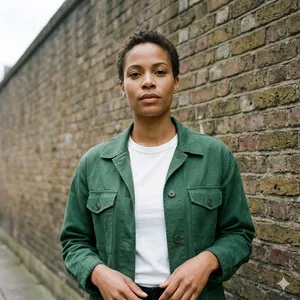 By Jordan Calloway

The social life you actually want versus the one you've been performing
Linh had a calendar that looked full and a life that felt empty. This was not a dramatic realization. It arrived quietly, on a Tuesday evening at a work colleague's housewarming party, while she was standing near the cheese plate willing the next hour to pass faster. She was not unhappy. She was present without being there, and she had been that way for longer than she could pinpoint.
She was thirty-two, sociable by reputation if not by preference, and she had spent the better part of a decade showing up for things because she had concluded that showing up was what good people did.
What she had been doing
Linh's weeks were organized around other people's timelines. A birthday here, a group dinner there, a drinks thing on Thursday she had said yes to three weeks ago when it seemed far away. She liked the people. She did not always like the going.
The specific feeling she tried to describe was this: most of the events left her more tired than she had been before them. Not bad-tired. Just depleted in a way that required the following day to recover from. Over time, the recovery never fully completed before the next obligation arrived.
She started noticing the math of it. If attending an event cost her eight hours of recovery time, and she was averaging three or four events a week, she was spending most of her off-work hours either performing sociability or recovering from it. The things she actually wanted to do, reading, gardening, working on a ceramics project she had started two years ago and not touched since, kept getting pushed.
The FOMO she had to dismantle
The hardest part was not the events themselves. It was the fear of what she would miss. Not any specific thing, not a conversation or a connection, but a more abstract fear: that by staying home she was making herself less interesting, less loved, less present in the lives of people who mattered to her.
A friend described a similar experience and named it precisely: the hypothetical scenario in her head where someone asked what she'd been up to and she had nothing to report. The fear was not of loneliness. It was of being seen as someone without stories.
Research from the American Psychological Association on friendship and wellbeing consistently finds that quality of social connection matters far more than quantity or frequency. The people who reported the highest wellbeing from their friendships were not those who socialized most often. They were those who felt genuinely seen in the connections they did have.
Linh's calendar was full of the wrong metric.
What she actually changed

She started declining things. Not dramatically, not in a way she announced. She just stopped saying yes to things she didn't want to attend.
The first few times felt uncomfortable. Then it felt less uncomfortable. Then it felt normal.
What her week looked like after she stopped
- Two social commitments per week, maximum, chosen because she actually wanted them
- One afternoon per week for the ceramics project, protected
- No guilt about the things she declined
- Honest answers when people asked why: "I'm staying in tonight"
- Quality time with three close friends, deeper and less frequent
She found that the friends who mattered were not bothered. The friendships that could not survive her showing up less frequently were friendships that had been running on obligation rather than preference. This was clarifying information.
What surprised her
She had expected to feel isolated. She felt more connected. The reduced quantity of social contact seemed to have increased her investment in the contact she did have. She was more present at the dinners she chose to attend. She cared more about the conversations.
She also discovered that her quiet hobbies, which she had long considered slightly embarrassing to mention, the gardening, the ceramics, the reading, were not actually lesser activities than the ones she had been trading them for. She had absorbed the idea that experiences worth having were the ones you could recount as stories. A concert, a trip, a new restaurant. The fact that she had spent a Saturday afternoon with her hands in clay and felt genuinely restored by it did not make it onto a highlight reel, but it was, measurably, the better use of her time.
The National Institute of Mental Health's guidance on mental wellbeing includes engagement in personally meaningful activities as a core component of psychological health, distinct from social activity. The two overlap but are not the same thing.
Where she landed
Linh's social life is smaller now and she prefers it. She sees her closest friends more intentionally and less frequently. She has a ceramics class on Wednesday evenings that she protects like it matters, because it does. She no longer renews commitments out of inertia.
She still has FOMO occasionally. It tends to pass quickly once she's actually doing the thing she chose instead. The fear of missing out, she discovered, is mostly anticipatory. The evening at home with a book and her cat was never actually worse than the party. She just had to be willing to find out.
If you're thinking about a city with a different pace and culture around how people spend their time, our vibe matching tool can help you find places that fit.


