New York, NY (Upper West Side): Cultural Richness Meets Urban Living
 92% match
Published March 10, 2026
92% match
Published March 10, 2026
The Upper West Side combines world-class cultural institutions with ultra-walkable street life and authentic neighborhood character that draws creative, intellectually curious residents and roommate groups.
The Upper West Side pulses with a distinctive intellectual and artistic energy that defines Manhattan's most livable neighborhood. With a 92% vibe score, 10023 attracts creative professionals, musicians, academics, and cultural enthusiasts who've made the neighborhood their permanent home since the 1970s. This is where serious opera lovers, bookish artists, and young professionals discover that urban density, cultural access, and genuine community can coexist. For roommate groups seeking to split rent while accessing world-class culture, the Upper West Side represents the gold standard of New York living.
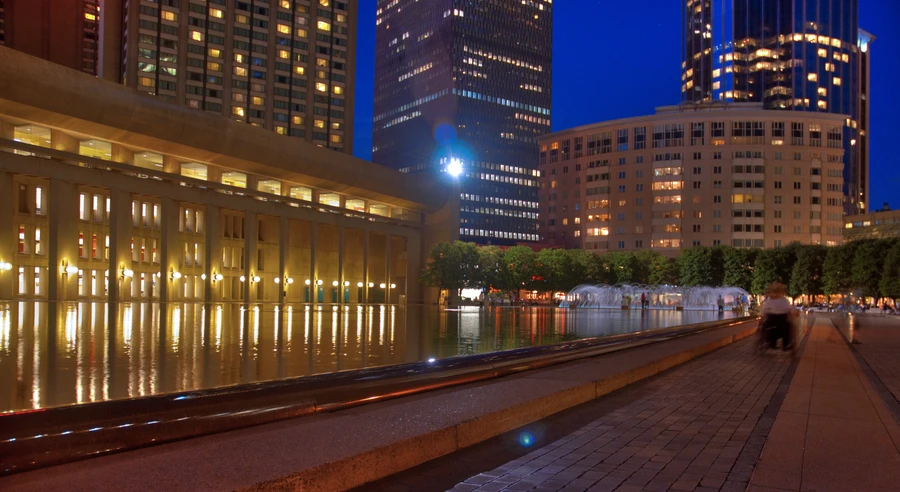
Lincoln Center: The Cultural Anchor
Lincoln Center for the Performing Arts sits at the neighborhood's beating heart, comprising twelve world-class institutions. The Metropolitan Opera seasons draw audiences from globally; the New York Philharmonic performs 150+ concerts annually. Juilliard School's conservatory produces tomorrow's concert musicians, ensuring constant live music throughout the neighborhood.
Student and early-bird rush ticket programs make $150+ ticket prices accessible to budget-conscious roommate groups. Evening strolls through Lincoln Center's plaza, with its iconic fountain and surrounding glass and steel architecture, provide free cultural atmosphere. The summer festival transforms the plaza into an outdoor stage with free performances, ballet, and experimental theater.
Beyond Lincoln Center's formal institutions, the neighborhood thrives with artist populations dependent on affordable housing. West 70s and 80s streets host musician apartments, painter studios, and literary salons where creative collaboration happens organically. This intellectual ferment attracted New York's intelligentsia for decades, writers, composers, and thinkers found affordable housing and sympathetic community.
The American Museum of Natural History and Museum Culture
The American Museum of Natural History occupies an entire Upper West Side block, representing one of Earth's most important natural science institutions. Its 32 million specimens and immersive exhibits attract millions annually, but neighborhood residents enjoy casual visits, weekday mornings feel less crowded, and pay-what-you-wish hours allow budget exploration.
The museum district extends beyond natural history. The New York Historical Society documents American cultural evolution. The New York Public Library's mid-Manhattan branch provides quiet study spaces and community programming. This museum density creates a intellectually stimulating environment where casual conversations turn philosophical.
Ultra-Walkable Neighborhood Life
The Upper West Side's true magic emerges in daily walking. Amsterdam Avenue between 70th and 96th Streets forms the neighborhood's commercial spine, bakeries, bookstores, wine shops, antique dealers, and restaurants create an intoxicating retail landscape. Zabar's legendary gourmet market has served residents since 1944, and Fairway Market's organic produce reflects the neighborhood's culinary sophistication.
Columbus Avenue leans more contemporary, chains mix with local coffee roasters, yoga studios, and casual dining. Broadway bridges both aesthetics, mixing iconic department stores with independent restaurants and longtime Italian establishments. Side streets between avenues shelter pre-war brownstones, tree-lined sidewalks, and community gardens that create surprising oases amid urban density.
The 72nd Street entrance to Central Park puts 843 acres of green space within a two-minute walk. Joggers, dog walkers, and families cycle through daily. The adjacent Riverside Park adds riverfront trails and sports facilities. This green access, rare in Manhattan, significantly elevates quality of life, residents genuinely enjoy outdoor space without leaving the city.
Pre-War Apartments and Roommate Living
Upper West Side housing stock skews older, classic pre-war buildings with high ceilings, original hardwood floors, and working fireplaces dominate. These apartments, originally designed for individual professionals or small families, adapt perfectly to roommate groups. Seven-bedroom Victorians on side streets between Broadway and Amsterdam often house 2-4 unrelated adults. Original crown molding, window seats, and architectural character make shared living feel less utilitarian.
Rental supply remains steady despite neighborhood desirability. Long-term roommate communities stabilize buildings. Landlords comfortable with group occupancy recognize tenant longevity and reduced turnover. Roommate-friendly landlords, community boards emphasizing stability, and established roommate networks make group living viable in a way that's rare citywide.
Broadway, Theater, and Nightlife
Broadway theaters cluster between 62nd and 81st Streets. Theater District proximity means residents catch previews, understudies, and experimental productions at accessible prices. Broadway opening nights create neighborhood buzz. The neighborhood supports sophisticated cocktail bars, bars on Columbus serve craft cocktails and wine lists to a clientele that discusses theater, music, and literature.
Jazz clubs like Iridium and experimental music venues host international artists nightly. This isn't a raging party scene, the vibe skews cultured, intellectual, adult. Roommates bond over show attendance, post-theater dinners, and gallery openings rather than club hopping.
Food Scene: Casual to Sophisticated
The Upper West Side's dining landscape reflects sophisticated resident demographics. Michelin-starred establishments sit alongside beloved neighborhood joints. Ethiopian, Thai, Japanese, Korean, Indian, and Mexican cuisines populate the avenues at every price point. Wine bars and craft beer spots support liquid culture conversations.
The neighborhood's most beloved restaurants often feature multi-generational families and longtime regulars, places where waiters remember regulars' preferences. This stability contrasts with Manhattan's restaurant churn elsewhere, suggesting sustainable community dining rather than trend-chasing.
Transit and Connectivity
The 1, 2, and 3 subway lines provide exceptional regional connectivity. Residents reach downtown in 15 minutes, uptown communities in 10, and the outer boroughs in 20-30. This transit independence appeals to roommate groups with varied employment locations. No single roommate depends on others for transportation, everyone maintains independent mobility while sharing housing costs.
Bus systems connect to neighborhoods across Manhattan. Walk scores exceed 95. Most residents genuinely don't own cars, cars become unnecessary complexity in a neighborhood where walking solves most transportation needs.
Community and Belonging
What distinguishes the Upper West Side from other wealthy Manhattan neighborhoods is its genuine community feeling. Residents choose to live here because of culture, walkability, and intellectual community, not status signaling. This creates authentic neighbor relationships. Familiar faces become actual friends. Coffee shop baristas know regulars' orders. Longtime restaurants employ staff for decades.
Roommate groups find instant community. The neighborhood attracts like-minded creative professionals. Shared interests in theater, literature, music, and art create organic social networks. Unlike outer-borough roommate situations dependent on apartment-specific friend groups, Upper West Siders discover neighborhood-wide community regardless of apartment composition.
Is the Upper West Side Right for You?
The Upper West Side suits intellectually curious professionals and creative roommate groups who prioritize cultural access, walkability, and sophisticated community over nightlife intensity or cutting-edge trendiness. It's for people who attend opera matinees, browse used bookstores on Sunday afternoons, discuss philosophy in wine bars, and build careers in arts, academia, or creative fields.
The 92% vibe score reflects this specialized appeal, near-perfect for the specific audience it attracts, less aligned with those seeking party culture or industrial cool. If your ideal weekend involves Lincoln Center, Central Park, Amsterdam Avenue dining, and roommates discussing last night's off-Broadway show, the Upper West Side is where you belong.
See if 10023 matches your vibe with our neighborhood matching tool.
Frequently Asked Questions
Perfect. The Upper West Side attracts artists, musicians, academics, and young professionals drawn to cultural amenities. Roommate living reduces housing costs in an otherwise expensive area. Pre-war apartments with multiple bedrooms, high ceilings, and classic character naturally support group living. The neighborhood's walkability means roommates with different schedules navigate easily.
Lincoln Center, home to the Metropolitan Opera, New York Philharmonic, and Juilliard School, sits at the heart of the neighborhood. The American Museum of Natural History, New York Historical Society, and countless galleries saturate the area. Broadway theaters, independent cinemas, and live music venues create an intellectual and artistic ecosystem unmatched in North America.
Extremely. Everything, restaurants, bookstores, parks, subways, cultural institutions, connects within 10-15 minute walks. Columbus Avenue, Amsterdam Avenue, and Broadway provide continuous retail and dining. Central Park's 72nd Street entrance offers immediate green space. Residents routinely explore on foot and rarely use cars.
World-class. Amsterdam Avenue between 70th and 96th streets offers everything from Michelin-starred restaurants to casual ethnic dining. Broadway and Columbus Avenue feature wine bars, craft cocktail spots, and gastropubs. Jazz clubs, performance spaces, and late-night bookstores support night-owl culture. However, the vibe leans sophisticated and artistic rather than aggressive party scene.
Ready to Explore New York?
Get a personalized vibe report for this neighborhood based on your lifestyle preferences.
Get My Vibe Report